
January is Glaucoma Awareness Month, the perfect time to raise awareness of glaucoma and how it is detected and treated.
Glaucoma accounts for 9 to 12% of all cases of blindness worldwide — and is a leading cause of total vision loss in the United States. About 4 million Americans are affected by either total vision loss or diminished vision due to this sight-stealing disease. The Glaucoma Research Foundation estimates that worldwide, 80 million people have glaucoma, and 4.5 million of those individuals are blinded by the disease.
To understand why glaucoma is a sight-stealing condition and how you can protect your eyes and preserve your vision, let’s dig a little deeper.
What Is Glaucoma?
Glaucoma is a group of eye diseases that damage the optic nerve, the nerve that carries images from your eye to the brain. Glaucoma can occur in one or both eyes. It can go unnoticed because of the slow progression of the disease.
There are two main types of glaucoma:
- Primary Glaucoma
- Open-angle Glaucoma is the most common form of the disease and accounts for about 90% of all glaucoma cases. The eye’s drainage canals can become clogged over time, causing increased eye pressure and damage to the optic nerve. With regular annual eye exams, it can be detected early and treated to preserve vision.
- Angle-closure Glaucoma (also called Narrow Angle Glaucoma) is caused by closure of the angle between the iris and cornea, which reduces fluid drainage from the eye, leading to increased eye pressure.
- Secondary Glaucoma can be caused by an underlying disease or condition such as an eye injury, inflammation, certain drugs (steroids are one culprit), or advanced cases of cataracts or diabetes that increase intraocular pressure. Congenital Glaucoma, a rare disorder that occurs when a baby is born with incomplete development of the eye’s drainage canals, is considered a secondary glaucoma.
5 Essential Facts about Glaucoma
- You Can’t “Feel” Glaucoma
The disease has no early symptoms. As much as 40% of vision can be lost without a person noticing any changes in their ability to see clearly. Read that again: Up to 40% of your vision can be lost permanently before you even notice it! That’s why glaucoma is referred to as “the silent thief of sight.” Almost half of people affected by glaucoma don’t even know they have it. Sadly, once vision is lost, it is gone permanently.
- Early Detection: Prioritize Prevention
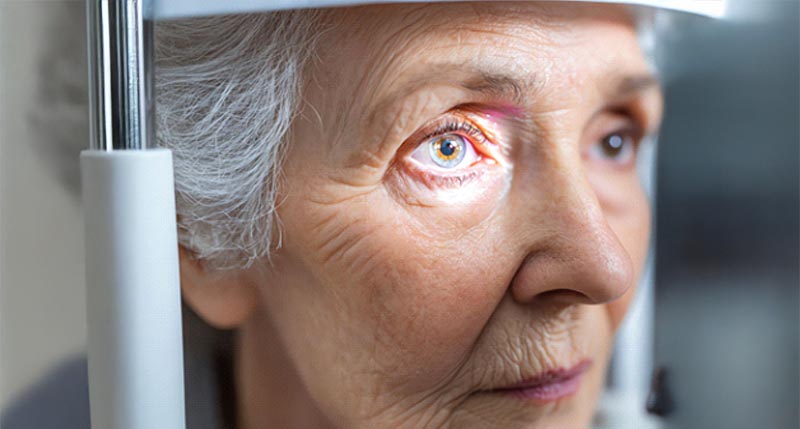
A comprehensive eye exam is the best way to detect glaucoma. Glaucoma causes gradual vision loss that starts with your peripheral or side vision. Because the change is not in the central visual field, you may not notice those early changes. Your optometrist measures your eye pressure during your annual exam and can identify changes in eye pressure and vision that may indicate glaucoma is present and offer immediate treatment.
- Family History
While there is no cure for glaucoma, you can take steps to educate yourself and limit disease progression. Know your family history. If you have a parent, sibling, or child with glaucoma, it significantly elevates your chances of being diagnosed with it. If you have a family history of the disease, your optometrist may recommend more frequent eye exams to screen for glaucoma.
- Who is at Risk for Glaucoma?
Anyone at any age can be affected by glaucoma. However, certain groups of individuals are at greater risk:
- African, Asian, and Latino populations. African Americans are 6 to 8 times more likely to develop glaucoma than Caucasians and tend to get it 10 years sooner than other ethnicities.
- People age 60 and older; 10% of people age 75 or older have glaucoma.
- No matter your age, if you are diagnosed with diabetes, are severely nearsighted, or have had a serious eye injury, you can still fall victim to glaucoma.
- How To Support People with Glaucoma
If you have a loved one or family member living with glaucoma, here are some ways to help and support them:
- Remind your family member to take their medications and eye drops as prescribed. Help them set alarms or write Post-it note reminders. Strict adherence to medication is the single most important thing a glaucoma patient can do to maintain their vision.
- Glaucoma may increase the likelihood of falling due to loss of peripheral vision. Mark door frames and table edges with brightly colored tape or paint to help identify potential risks and obstacles.
- Encourage a healthy lifestyle. Exercise improves eye health! But avoid positions with your head down and do not lift very heavy weights — those activities are associated with increased eye pressure.
- Keep reading, even though it may be challenging. Handheld magnifiers can help. Also, increasing the font size and brightness of your computer, tablet, or phone screen allows for easier and more comfortable reading.
The best way to identify and treat glaucoma is through a regular comprehensive dilated eye exam with your optometrist. Have you scheduled your annual exam yet?
Contact us today, so you can start 2026 by making a healthy choice for your eye health!